
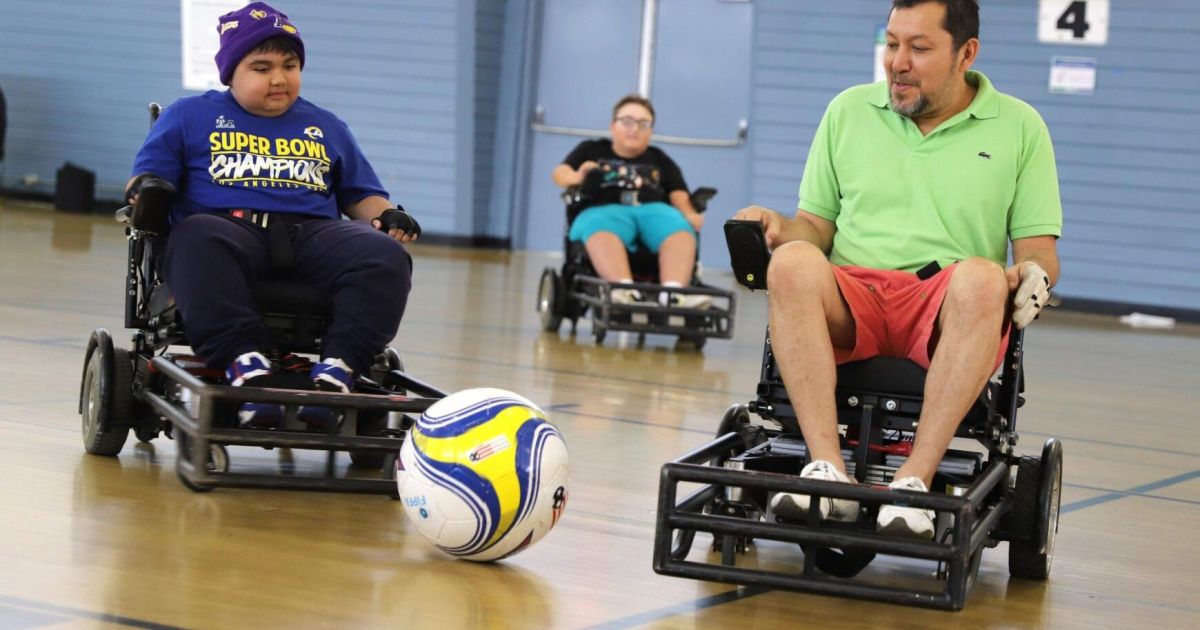
FIFA Hosts Adaptive Soccer Event with Angel City Sports
The Importance of Regional Representation in Football
Football is often seen as a universal language, yet it is deeply rooted in the local culture of nations and regions. Every corner of the world boasts its own footballing traditions, rivalries, and styles of play—reflecting the geographical and social dynamics of the area. From the bustling streets of Rio de Janeiro to the pristine pitches of England, regional representation plays a critical role in the sport’s vibrancy and popularity.
Grassroots Football: Building the Foundation
Grassroots football serves as the backbone of the sport, providing opportunities for young athletes to engage with the game. Local clubs often focus on nurturing talent through inclusive programs that attract players from various backgrounds. This emphasizes the importance of community involvement, where parents, coaches, and volunteers collaborate to foster a love for football. Many players at the professional level often cite their local clubs as vital to their development, highlighting how regional engagement can pave the way to national and international stardom.
Diversity in Football: Celebrating Cultural Nuances
The diverse cultural influences in football enrich the game itself. Each region has distinct styles of play, shaped by local conditions, traditions, and historical contexts. For instance, South American teams are often celebrated for their flair and technical skills, while European teams may emphasize tactical discipline and physicality. This diversity not only makes matches more exciting but also fosters a deeper appreciation among fans for various footballing philosophies.
The Role of Major Tournaments in Showcasing Regional Talent
Major international tournaments like the FIFA World Cup and UEFA European Championship serve as platforms for nations to showcase their talent on a grand scale. These events also emphasize regional pride, with fans passionately supporting their teams. The visibility of such tournaments encourages investments in local football infrastructure, furthering opportunities for budding talent. Additionally, they serve as a reminder of how football can unite countries, displaying the spirit of friendly competition and mutual respect between nations.
Women’s Football: A Growing Force Worldwide
The growth of women’s football has marked a significant shift in the global football landscape. As coverage and opportunities for female athletes expand, regional representation becomes even more essential. Leagues around the world are increasingly showcasing female talent, paving the way for international tournaments, like the FIFA Women’s World Cup. Just like their male counterparts, women athletes are cultivating local fan bases, inspiring the next generation of players. This trend signifies that football is for everyone, regardless of gender, and highlights the need for inclusive practices at all levels.
Technology in Football: Bridging Gaps between Regions
The rise of technology in football offers unprecedented opportunities for tracking performance and improving player development. Video analysis, wearable technology, and data analytics have become integral to training and coaching. These advancements allow clubs, regardless of their size or location, to access world-class training methodologies. As a result, even local clubs can produce talent that competes at high levels, showcasing the significance of technological advancements in bridging the gap between regions.
Football Governance: The Role of National Associations
National football associations play a crucial role in governing the sport within their territories. These entities are responsible for organizing competitions, developing youth programs, and implementing fair play policies. Their connection to UEFA and FIFA ensures that local clubs and national teams comply with international standards, promoting ethical practices in the sport. This governance framework is vital for maintaining the integrity of football and ensuring that all regions have equal opportunities to thrive.
Community Engagement and Social Responsibility
Football clubs often engage in community initiatives that go beyond just sport. These programs focus on addressing social issues such as youth education, health, and inclusivity. By integrating community service into their mission, clubs can generate grassroots support, improve social cohesion, and give back to the regions that have supported them. This connection enhances the role of football in society, transforming clubs into pivotal community institutions.
Globalization and the Local Football Economy
As football continues to globalize, local economies benefit significantly. Big-name players often transfer to clubs that showcase their talent, which can lead to an influx of tourists and increased local revenue. Biased football fans worldwide create a demand for merchandise, media rights, and sponsorship opportunities, enhancing economic prospects for local communities. This aspect highlights how football serves not only as a sport but as an essential driver of economic development.
Understanding the Future: Youth Academies and Scouting Networks
Youth academies are instrumental in shaping the future of football. These establishments identify potential talent at a young age, providing them with access to quality coaching and facilities. Scouting networks have expanded globally, ensuring that talent from even the most remote areas is discovered. This approach fosters diversity and enriches the sport, allowing teams to source players that embody unique styles and skills, reflective of their regional backgrounds.
For a comprehensive understanding of the current trends and actions being taken to promote football globally, you can explore [FIFA’s official site](https://www.fifa.com), which includes updates on initiatives, tournaments, and youth development programs worldwide.


