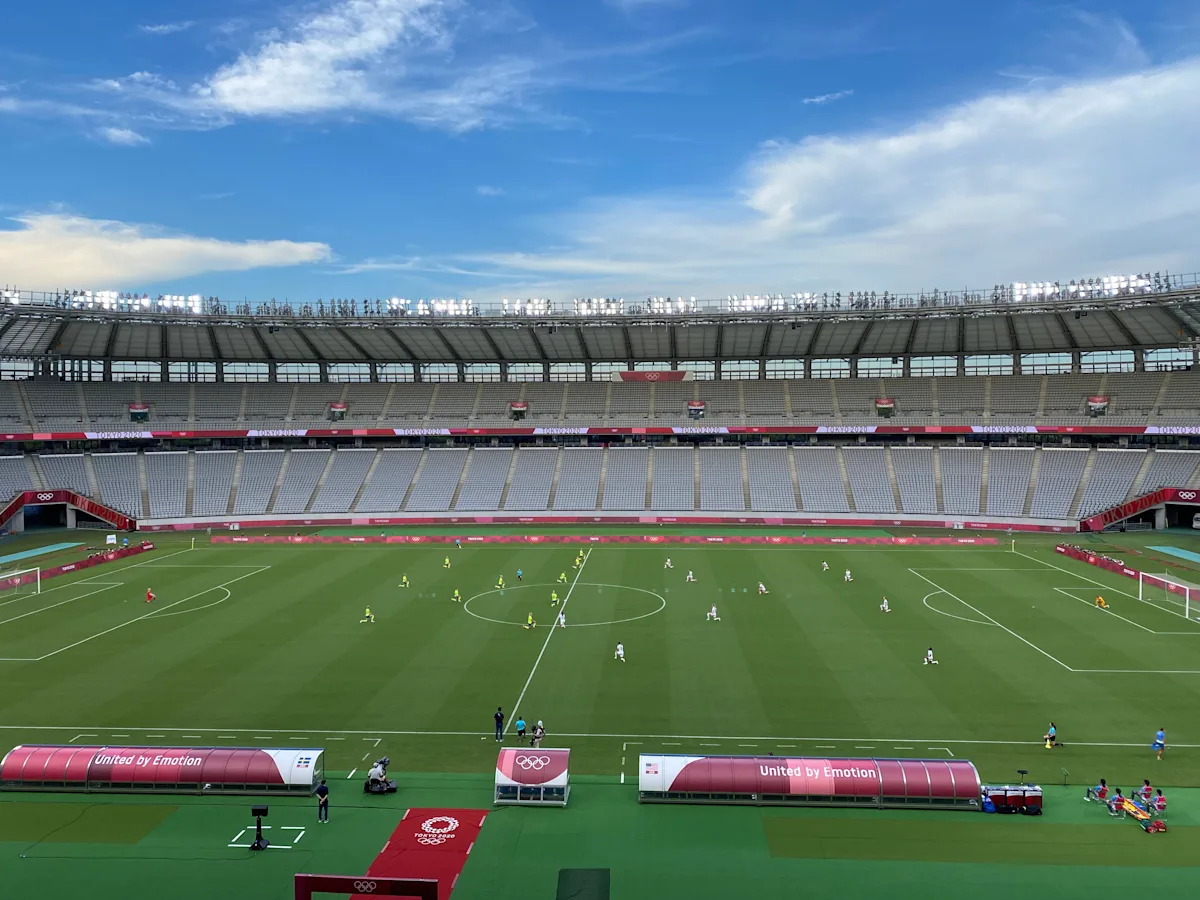
Premier League Managers’ Positions During Matches
Understanding the Tactical Prowess of Kieran McKenna at Ipswich Town
Watching Kieran McKenna pacing the sidelines at Portman Road is a study in calmness amidst chaos. The Ipswich Town manager embodies a blend of focus and strategic insight that appeals not just to his players, but to spectators hoping to catch a glimpse of tactical genius in action. As Ipswich navigated their recent match against Wolverhampton Wanderers, McKenna’s steady presence was a striking contrast to the frenetic pace of the game unfolding before him.
Analyzing McKenna’s Sideline Role
During the match, McKenna’s sideline behavior reflected a meticulous management style. He was a near-permanent figure along the technical area, encouraging his players with claps and shouts—an embodiment of steady leadership in the thick of competition. Unlike many managers who might let emotion dictate their reactions, McKenna’s calm demeanor underscored a tactical approach that appeared designed to instill confidence and composure in his squad.
When key moments occurred in the game—be it a corner or a goal—McKenna momentarily withdrew to consult with his analysts, reinforcing his commitment to a data-driven approach. This brief period of reflection, lasting 10 to 20 seconds, demonstrates his intention to assess tactical shifts in real-time before returning to the pitch-side to guide his players. This withdrawal does not signify weakness; rather, it marks a calculated strategy employed by modern coaches to gather insights swiftly.
The Emotional Rollercoaster of a Manager
The emotional highs and lows of a football match are particularly amplified for managers. McKenna celebrated Liam Delap’s goal with a raised fist—an expression of the joy that accompanies tactical success. However, that exuberance turned sour following Wolves’ late winner, leading to a moment of visible dejection. This duality captures the intense emotional landscape managers must navigate week to week, where victory can be ephemeral, and defeat can sting long after the final whistle.
Wolves Managerial Dynamics
This match exemplified the intricate dynamics between coaching personnel, particularly with Wolves’ head coach, Vitor Pereira, serving a suspension alongside his assistant, Luis Miguel. In their absence, first-team coach Andre Monteiro stepped into the managerial role. Monteiro demonstrated an energetic, almost visceral approach to sideline management, often extending beyond the technical area in his quest to motivate his players. His animated interactions with the fourth official highlight the high stakes and pressures that come with coaching at the Premier League level.
The communication between Monteiro and Pereira, albeit from afar, was an essential component of Wolves’ strategy. Monteiro’s reliance on hand signals and earpiece communication speaks volumes about the necessity for seamless coordination, even in the absence of authoritative figures on the touchline. When it came time to make a substitution, the swift changes in decision-making, prompted by Pereira’s input, illustrate how fluid and responsive managerial tactics can be in reaction to match conditions.
The Impact of Tactical Decisions on Match Outcomes
As the match progressed, the impact of tactical decisions became evident. Monteiro was poised to bring on striker Hwang Hee-chan when Wolves equalized. However, after receiving a signal from Pereira, the decision altered on-the-fly. This indicates that the essence of football management is not just about making the right choices before kickoff, but also adapting fluidly amid the competitive landscape of a live game.
The ultimate triumph with Wolves’ late winner solidified their standing and arguably moved them closer to securing Premier League safety. For Pereira and his coaching staff, the hug shared after the goal encapsulated the unity and trust cultivated over the course of the season—an essential factor in achieving objectives at such a high level.
Looking Ahead: The Broader Implications
The juxtaposition of McKenna’s structured approach against Monteiro’s reactive style raises fundamental questions about how different managerial philosophies manifest during critical game moments. This match serves as an excellent case study for aspiring coaches and football enthusiasts alike, showcasing how strategy, emotion, and real-time decision-making intertwine to shape the beautiful game.
For further insights into similar match analyses and managerial strategies, you can refer to BBC Sport’s comprehensive coverage of football encounters here.